

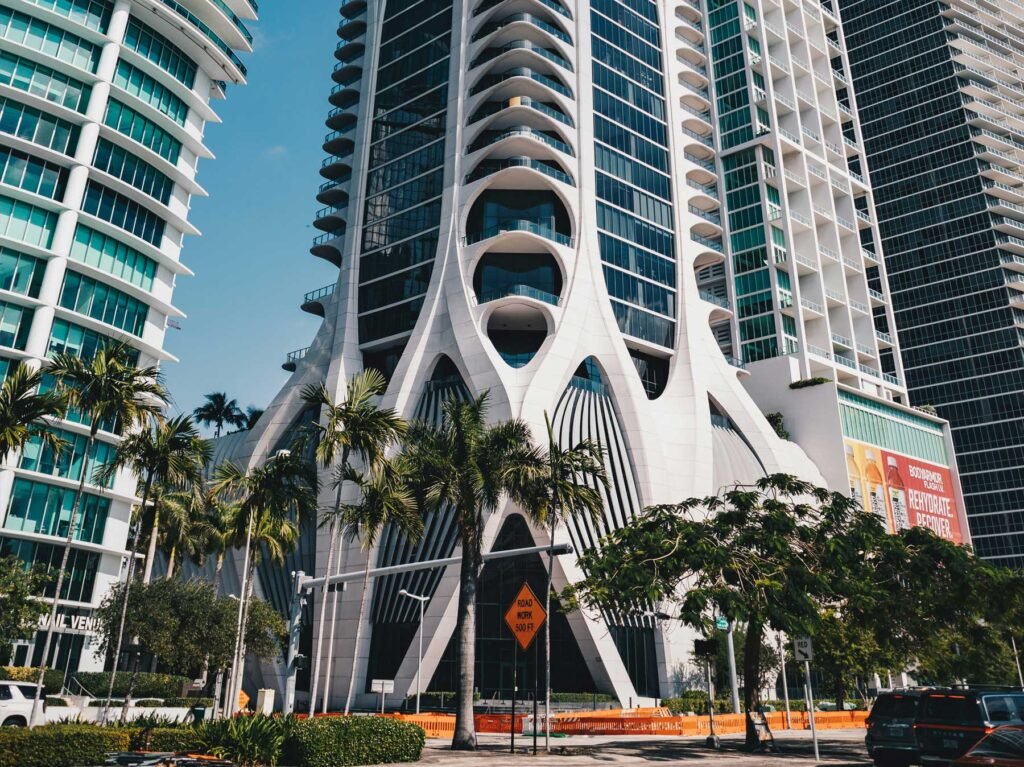
There are two Miami property markets right now, and they are moving in opposite directions. Houses are tight and rising. Condos are soft and falling. If you have been reading one set of headlines and assuming it applies to the other, you are working from the wrong map.
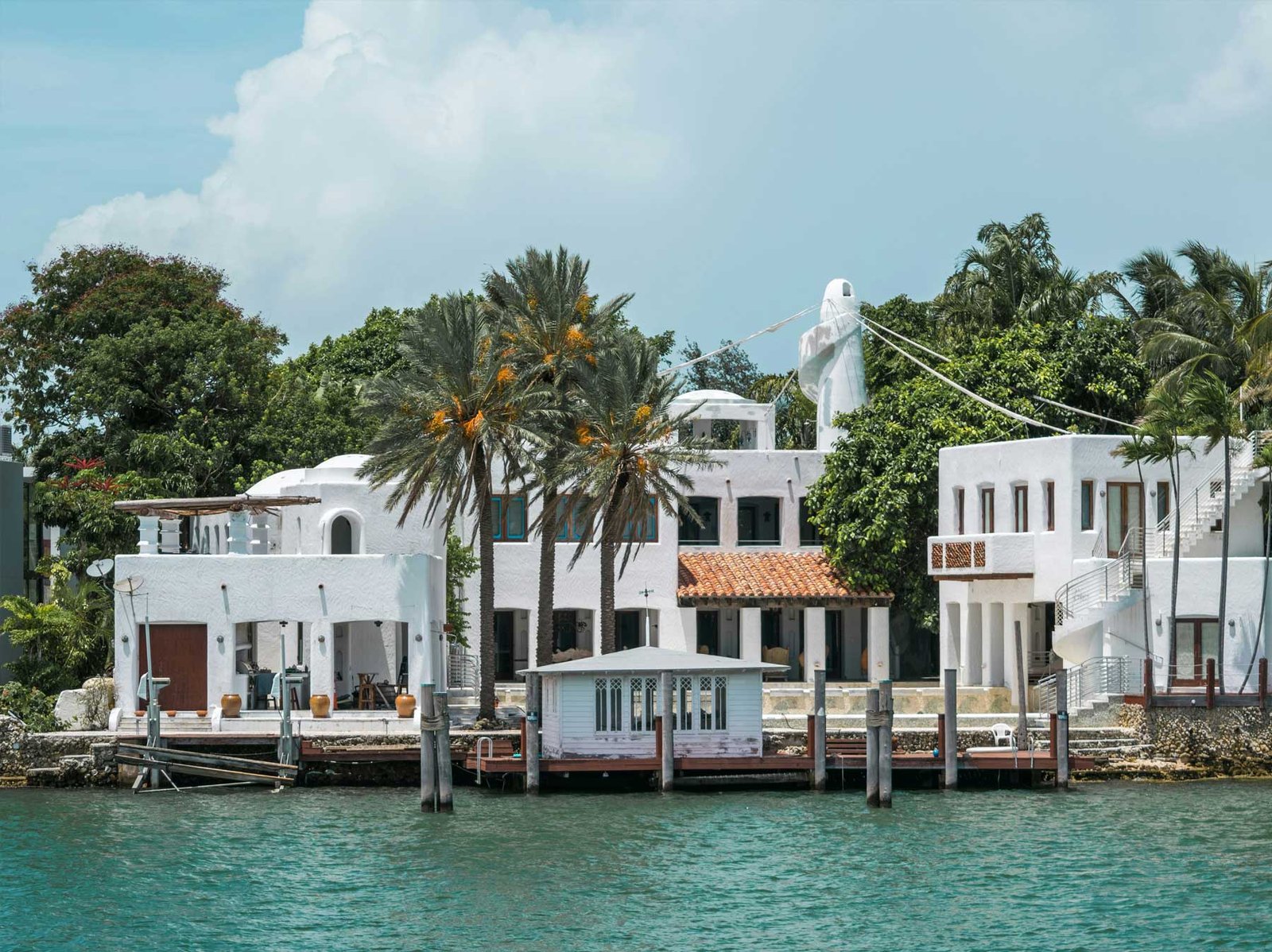
Miami-Dade, May 2026 — houses versus condos
Source: MIAMI Association of Realtors, Miami-Dade County market report for May 2026, released June 2026. Single-family median $680,000; condo median $415,000.
The split nobody is explaining to you
In May 2026 Miami-Dade recorded 1,042 single-family sales, up 10.5% on the year, against 1,022 condo sales, up 5.4%. Similar volumes — completely different conditions underneath. Single-family inventory is at 5.2 months, which is a seller’s market by every conventional reading. Condo inventory is at 12.9 months, which is not just a buyer’s market but a market with a genuine oversupply problem.
The reason is structural, and it has almost nothing to do with demand for Miami. Florida’s post-Surfside legislation forced condo associations to fund reserves and complete milestone inspections, and the resulting special assessments have hit older buildings hard. Owners who cannot or will not pay a six-figure assessment list. Buyers price the liability in. Nobody hands a single-family owner a $180,000 assessment letter, so the house market never took that hit.
That does not make condos a bad buy — in several buildings it makes them the best value in the county, and I say so on those pages. It means the two markets need to be underwritten separately, and an agent who quotes you one median for “Miami” is not paying attention.
What luxury actually costs here now
The MIAMI Association of Realtors sets its luxury thresholds from the top of the market rather than a round number. For the first half of 2026, across South Florida:
- Top 5% of single-family homes: $3.3 million and above, up from $2.7 million in 2025.
- Top 1% of single-family homes: $10.7 million and above, up from $7.8 million in 2025.
- Miami-Dade specifically: $4.3 million for the top 5%, $15 million for the top 1% — the highest ultra-luxury threshold of any South Florida county.
Read the second line again. The entry point to the top 1% of the South Florida house market rose 37% in a single year. That is not general appreciation; that is a small number of very large transactions pulling the ceiling up. Out-of-state buyers made up 10% of domestic purchasers in the first half of 2026, against 7% across 2024 and 2025, and Californians carried the highest thresholds of any group at $8.5 million.
Where the houses actually are
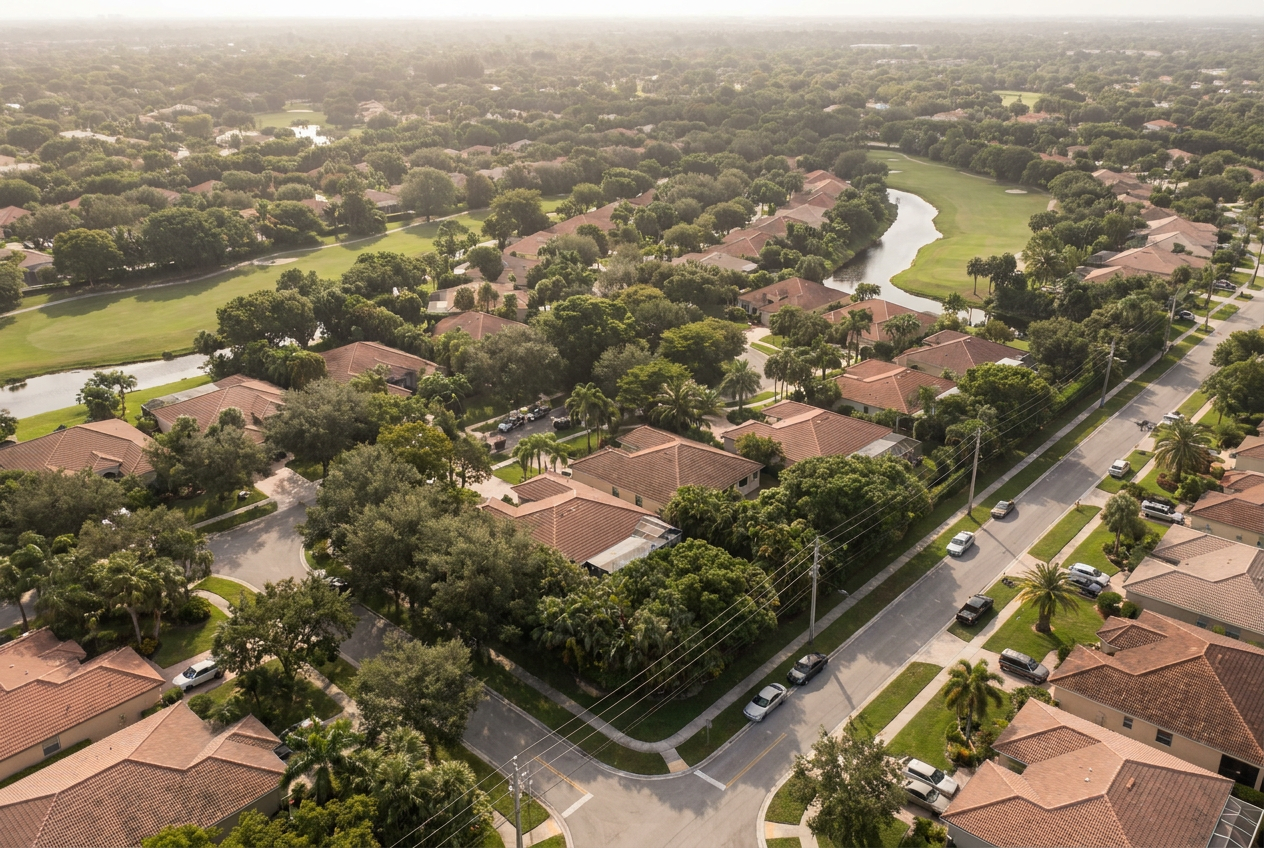
Miami’s condo towers are concentrated along a narrow strip of coastline. The house markets are somewhere else entirely, and each one behaves differently.
Coconut Grove
The oldest continuously settled neighbourhood in Miami-Dade, and the one that most consistently attracts buyers who want a house rather than a view. Banyan canopy, sailing clubs, walkable village core, genuinely good schools. Lot value dominates: a tear-down on a good street trades on land, and you will see original 1940s houses selling for what the dirt is worth. Coconut Grove neighbourhood guide →
Coral Gables
The most rule-bound residential market in the county — barrel tile roofs, mandated architectural review, protected canopy — and that is precisely why values hold. If you want a house that will not be sitting next to a glass box in five years, this is where you buy. The waterfront sections off Old Cutler and the Gables Waterway trade at a substantial premium. Coral Gables neighbourhood guide →
Key Biscayne
An island with one road on and off it, a village government of its own, and a permanent supply constraint that no amount of demand can fix. Houses here are rare, expensive, and almost never distressed. The trade-off is real: causeway dependency, insurance cost, and a flood profile you must underwrite honestly. Key Biscayne neighbourhood guide →
The Miami Beach islands
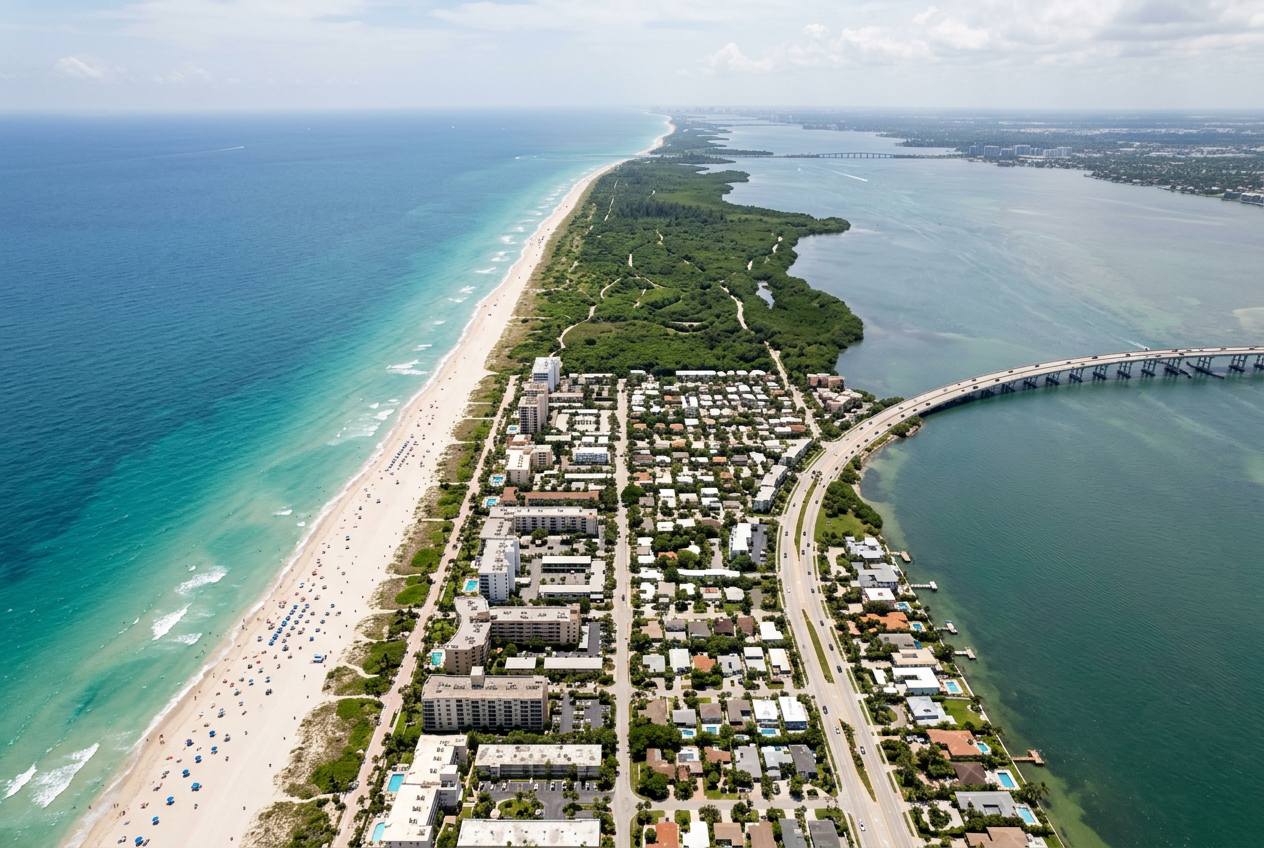
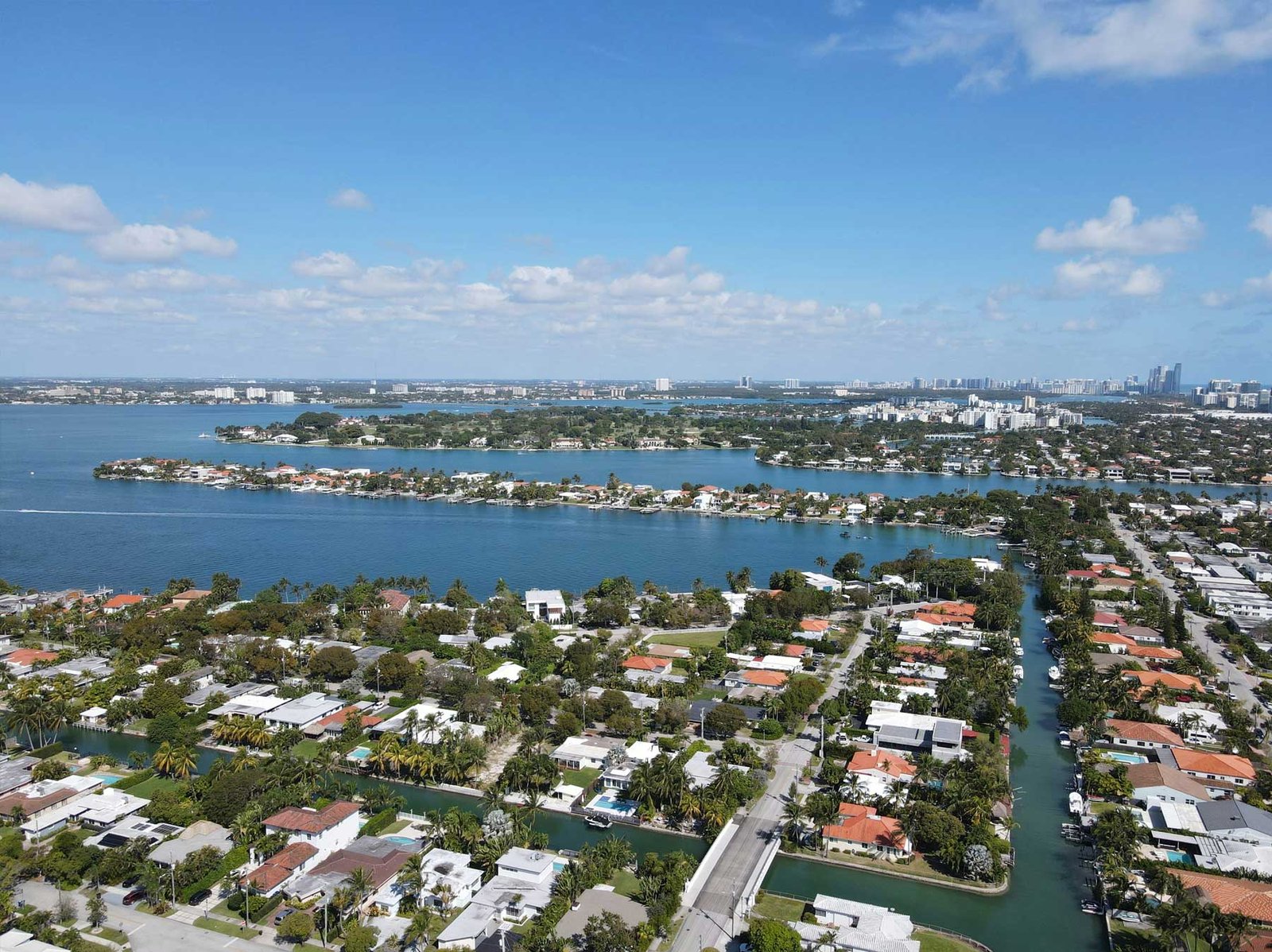
Venetian, Sunset, Palm, Hibiscus, Star, La Gorce, Allison. This is where Miami’s trophy house market lives, and where the largest single transactions in the county close. Dockage, bridge clearance and lot width matter more than square footage. Several of these islands are effectively guard-gated; several are not, and buyers routinely confuse the two.
Ponce-Davis, Pinecrest and the southern corridor
Larger lots, lower price per square foot, and the strongest public school assignments in the county. This is where families who priced out of the Grove and the Gables actually end up, and where a $3 million budget still buys an acre. Less glamorous, considerably better value.
Waterfront
Almost every serious house search in Miami eventually becomes a waterfront search, and that is where the underwriting gets technical: dock permits, seawall condition and remaining life, bridge clearance for your boat, riparian rights, flood zone and elevation certificate, and whether the previous owner’s additions were ever permitted. Any one of those can move value by seven figures or make a house unfinanceable.
I keep a separate, detailed page on this. Miami Waterfront Homes — the full guide →
Five things buyers get wrong about Miami houses
1. Assuming the condo headlines apply. They do not. Condo softness is driven by assessments and inspection law that do not touch single-family property. If you read that “Miami is a buyer’s market” and walk into a Coconut Grove house offer expecting leverage, you will lose the property.
2. Underestimating insurance. Roof age is the single largest variable in a Florida homeowner’s premium. A house with a fifteen-year-old roof can cost multiples of an identical house with a new one, and some carriers will not write it at all. Get an insurance quote during inspection, not after.
3. Ignoring permit history. Unpermitted additions, enclosed patios and after-the-fact garage conversions are extremely common in older Miami housing stock. They surface at appraisal or at resale, and they are the buyer’s problem by then. Pull the permit history before you go hard on a deposit.
4. Buying the house and not the lot. In the Grove, the Gables and the islands, a meaningful share of the price is land. If the structure will be replaced within ten years, you are buying dirt, and the correct comparison is lot value per square foot — not the finishes.
5. Confusing flood zone with flood risk. The FEMA map is a regulatory instrument, not a forecast. Elevation certificate, finished floor height, and the drainage on the specific street matter more than the letter designation, and they are all knowable before you commit.
How I work on the house side
Small number of clients at a time, direct access to me, and an honest answer on whether the house is worth what is being asked. I have been selling in this market since 2002 and I will tell you when the correct move is to wait — the reporting I publish in The Miami Confidential is the same standard applied to condo towers.
If you are weighing a house against a condo, that comparison is genuinely worth having properly. The two markets are not substitutes right now, and the right answer depends on your holding period more than your budget.
Miami luxury homes — common questions
Is Miami a buyer’s market or a seller’s market for houses right now?
A seller’s market. Miami-Dade single-family inventory stood at 5.2 months in May 2026, and $1M+ single-family sales were up 26.7% year over year. The condo market is the opposite — 12.9 months of supply and a median price down 2.35% — which is why general “Miami market” headlines are misleading if you are buying a house.
What price qualifies as a luxury home in Miami in 2026?
The MIAMI Association of Realtors sets the threshold at the top 5% of sales. For the first half of 2026 that was $3.3 million across South Florida and $4.3 million in Miami-Dade specifically. The top 1% threshold was $10.7 million regionally and $15 million in Miami-Dade.
Why are Miami condo prices falling while house prices rise?
Florida’s post-Surfside legislation requires condo associations to fund reserves and complete milestone structural inspections. The resulting special assessments — frequently five and six figures per unit in older buildings — have pushed inventory onto the market and made buyers price the liability in. Single-family owners face no equivalent obligation, so the house market never absorbed that shock.
Which Miami neighbourhoods are house markets rather than condo markets?
Coconut Grove, Coral Gables, Key Biscayne, Ponce-Davis, Pinecrest, and the Miami Beach islands — Venetian, Sunset, Palm, Hibiscus, Star, La Gorce and Allison. Brickell, Edgewater, Sunny Isles and most of Downtown are effectively condo-only.
What should I check before buying a waterfront home in Miami?
Seawall condition and remaining life, dock permit status, bridge clearance between the property and open water, elevation certificate and finished floor height, flood zone designation, and full permit history for any additions. Each of these can shift value by seven figures, and all are verifiable before you commit a deposit.
How much do out-of-state buyers affect the Miami house market?
More than they used to. Out-of-state buyers were 10% of domestic purchasers in South Florida in the first half of 2026, up from 7% across 2024 and 2025. California buyers carried the highest luxury threshold of any group at $8.5 million for single-family homes, which is part of why the top 1% entry point rose 37% in one year.
Is it better to buy a house or a condo in Miami right now?
It depends on holding period more than budget. Condos currently offer the better entry price and negotiating position, but carry assessment and insurance risk that has to be underwritten building by building. Houses cost more and offer less negotiating room, but carry no association liability. They are not substitutes, and anyone who gives you a single answer without asking your timeline is guessing.
Sources and further reading
Start here
The main sections of The Miami Confidential.